
Why the stage of ripeness is decisive in B2B
In the exotic produce sector, product quality depends on more than just variety or origin: the stage of ripeness upon delivery and therefore the correct harvesting stage is equally critical.
A papaya perfectly suited for display may be overly mature for a distribution chain withextended transit times. Conversely, a fruit that is still green ideal for logistical requirements, is not suitable for operators who need to commercialize it within 48 hours.
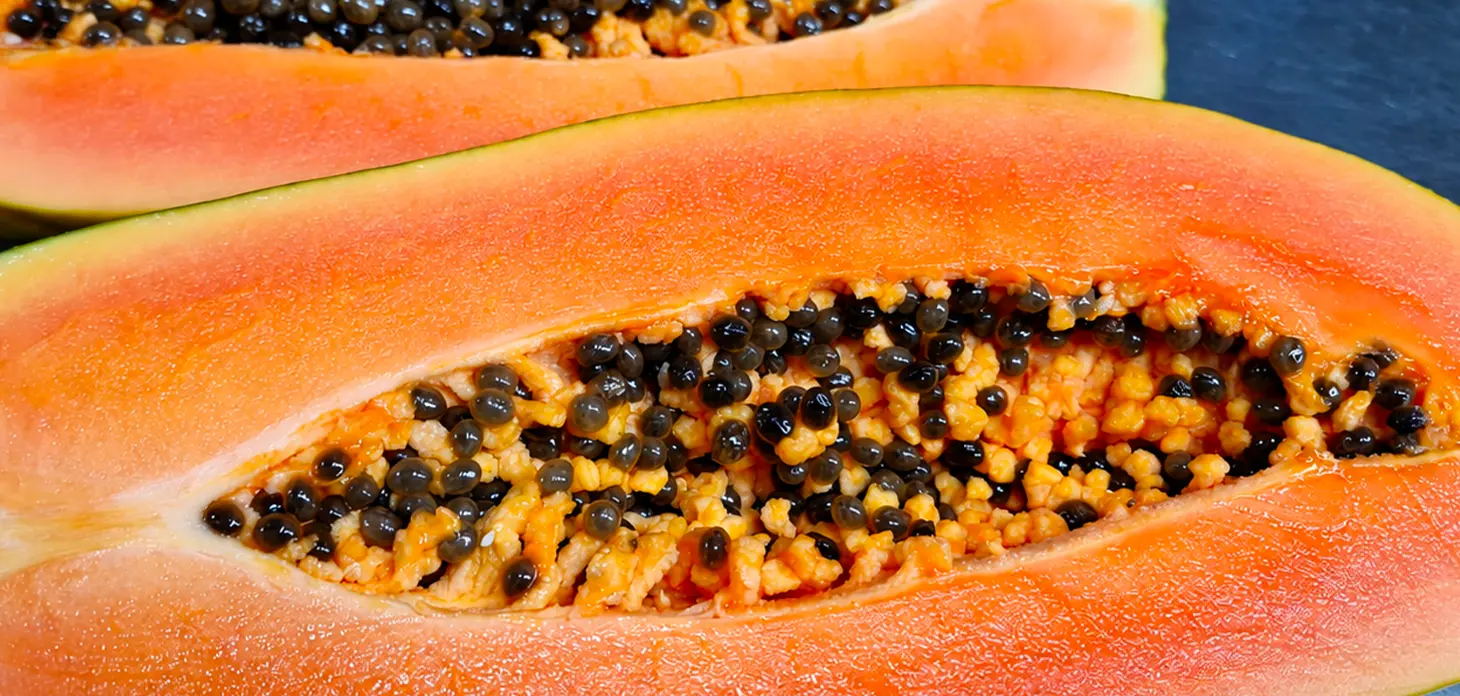
The Papaya: a tropical fruit gaining ground in European Markets
The papaya is a climacteric fruit, meaning it continues to ripen after harvesting due to the production of ethylene. Consequently, the commercial window is narrow and must be managed with precision throughout the entire supply chain. Selecting the wrong stage of ripeness can lead to:
- Product losses and waste
- Slow shelf rotation if the fruit arrives underripe
- Logistical planning challenges
- Inconsistent perceived quality by the end consumer
The stage of ripeness is not a minor technical detail: it directly impacts profit margins and the product's commercial shelf life.
Two needs, two solutions: our guide
- Riper fruit for immediate sale: ideal for buyers requiring a ready-to-eat product.
- Greener fruit for distribution and logistics: suited for operators managing longer supply chains.
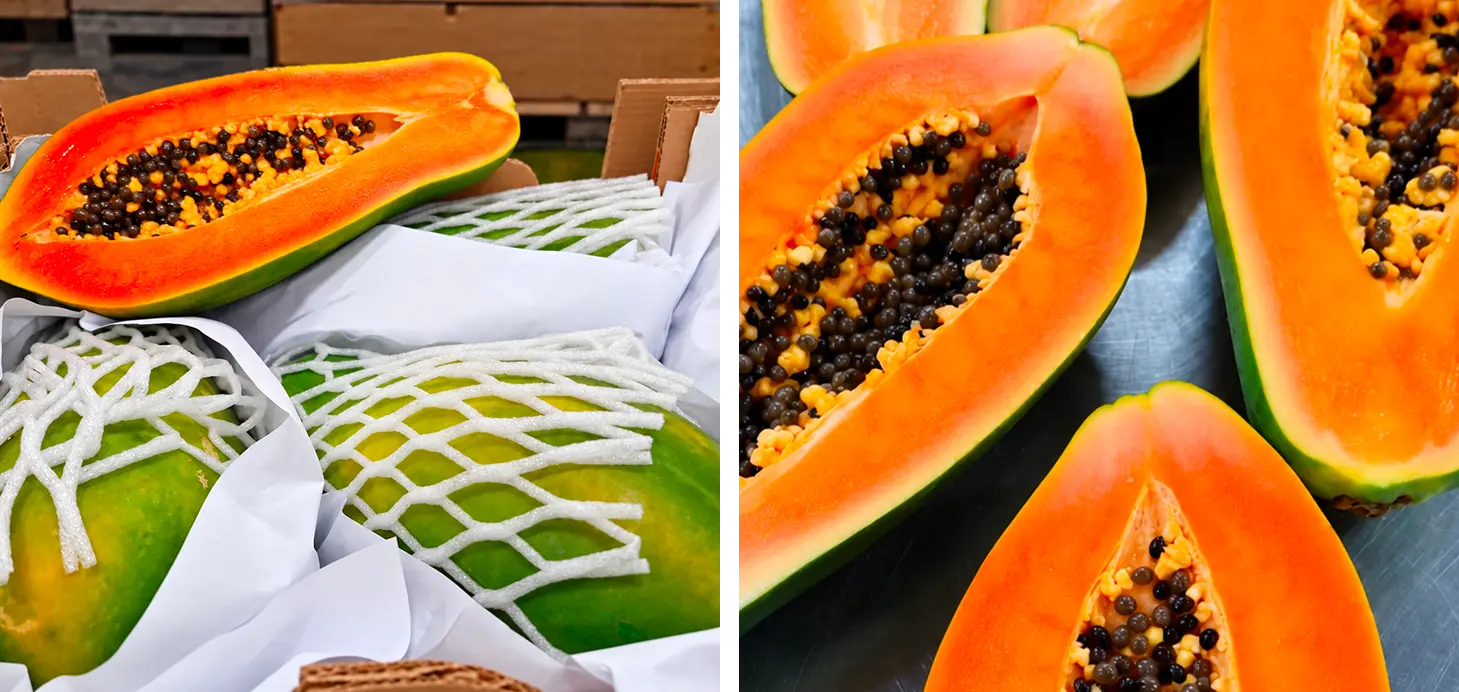
In B2B, continuity of supply is just as vital as quality. Regular shipments of our Formosa Papaya allow you to plan operations with precision, avoid overstocking, guarantee a consistent market presence, and tailor the stage of ripeness order by order and according to the season.
Timing makes all the difference: not every papaya order requires the same stage of maturity: the product remains the same, only the timing changes.
We use cookies to improve your experience. Read more