Brazilian Palmer Mango: 5 rules and actions for a seamless supply programme
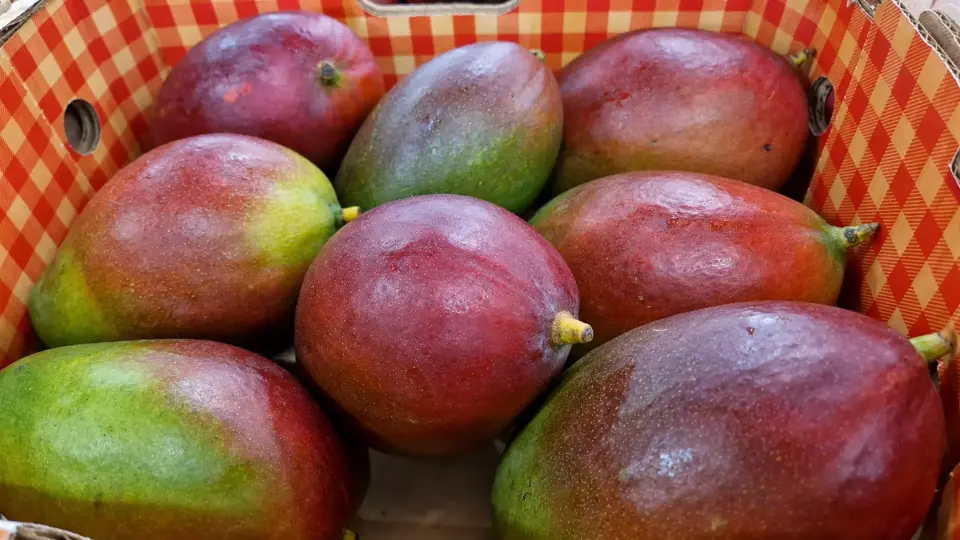
Smooth and creamy pulp, intense sweetness, and a peel that shifts from green to an eye-catching fiery red: the Palmer mango is the flagship variety of Brazilian exports, and as such, it demands dedicated expertise.
For importers and distributors, fruit quality is merely the starting point. Optimal results depend on managing the entire supply chain effectively:
- Harvesting time
- Shipping methods
- Transit temperature
- Inbound inspection protocols
Building your supply programme with Torres
Throughout the year, available volumes fluctuate based on harvesting cycles in Brazil and the proportion of fruit that meets export standards. Planning ahead ensures the most consistent supply; however, Torres also maintains the inventory and volume necessary to support clients who operate on the spot market.
For those planning their mango procurement programs for the upcoming weeks, here are five practical, field-proven rules:
1. Plan backwards from the destination
Harvest timing is critical. It is meticulously determined by our agronomists during direct field visits, as this stage largely dictates the quality delivered to the final market.
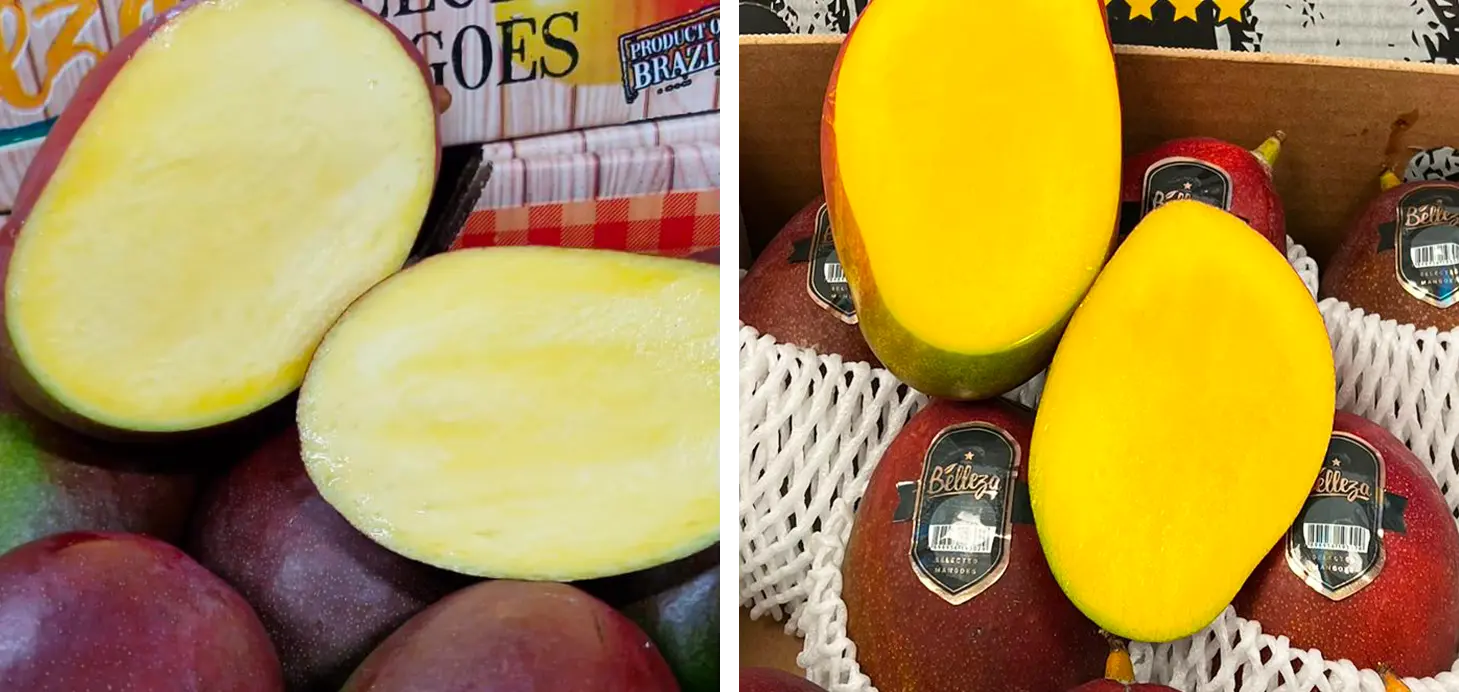
- Sea freight (approx. 17–21 days): harvested at a higher firmness level to withstand distribution without compromising quality. Remaining shelf life upon arrival: 15–18 days.
- Air freight (approx. 2–3 days): only premium fruit harvested near peak ripeness is selected, arriving ready-to-eat. Remaining shelf life upon arrival: 5–8 days.
→ Torres Recommendation: include both sea and air freight mangos in your product portfolio. These two options are not mutually exclusive; they complement each other.
2. Agree on the size breakdown prior to the season
Placing spot orders week by week is the fastest way to face shortages of key sizes during peak demand.
→ Torres Recommendation: define the size distribution at the program's launch with an agreed tolerance margin. This allows the packing house to plan sizing at origin, ensuring consistent availability of core calibers even during low-yield weeks.
3. Safeguard the cold chain from packhouse to ripening facility
A mango in pristine condition at departure can be ruined by just a few hours at the wrong temperature. Even a brief break in the cold chain accelerates ripening and significantly elevates decay rates.
→ Torres actions: rigorous cold-chain monitoring from Brazil to arrival at our warehouses, followed by ripening in controlled-atmosphere rooms. This guarantees consistent fruit condition and predictable shelf life.
4. Structured checks on arrival
A structured inspection protects both the buyer and the supplier.
→ Torres actions: every lot is inspected upon arrival against clearly defined quality parameters, including quantity, temperature, color, shelf life, defects, damage, packaging condition and absence of pests. The inspection is documented and confirmed by signing the transport document (CMR). When necessary, an independent external surveyor is appointed to provide an objective assessment.
We work closely with our customers and suppliers to find practical, fair and commercially balanced solutions, ensuring transparency, maintaining product quality and building long-term business relationships.
5. Use traceability as a management tool
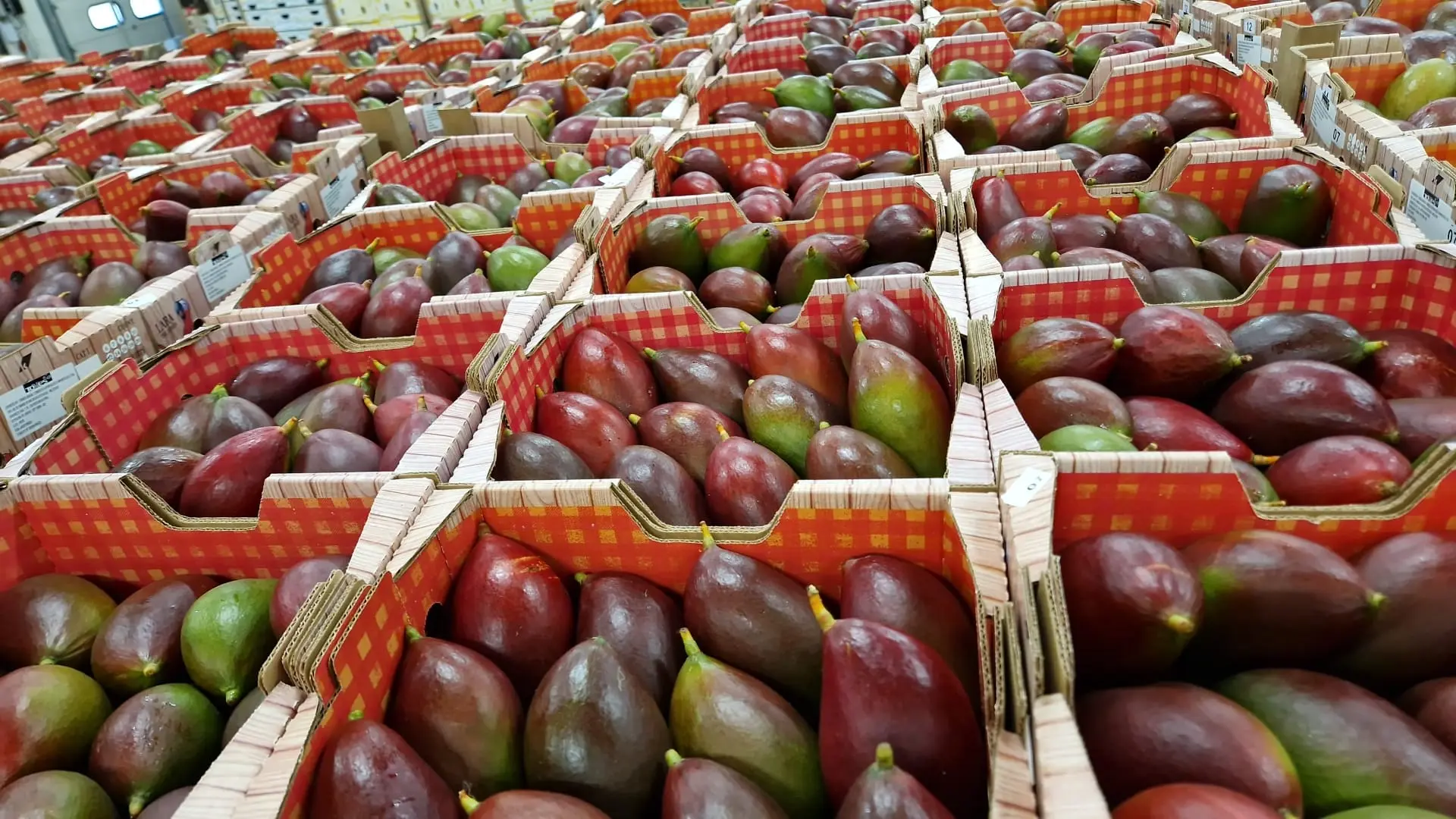
Every Torres lot is traceable from the supplier to the customer. It is not just a compliance requirement: it is a tool to improve supply over time.
→ Torres actions: every package carries a lot code that links the product to its supplier and to the customers it was delivered to.
We use traceability to strengthen supplier performance, improve product quality and build long-term trust with our business partners.
Your next programme starts now: a well-built programme comes from the choices made upstream: sales channel, mode of transport, sizes, temperatures and controls. Torres is not just a supplier, but a partner working alongside its customers season after season, to build strong and lasting relationships together.
Contact our sales team for more information.